
VAWA · Form I-360
Psychological evaluations for VAWA self-petitions.
A VAWA self-petition turns on battery or extreme cruelty. A psychological evaluation sets out what the relationship actually was — the control, the fear, the damage done — in the clinical terms adjudicators are used to reading.
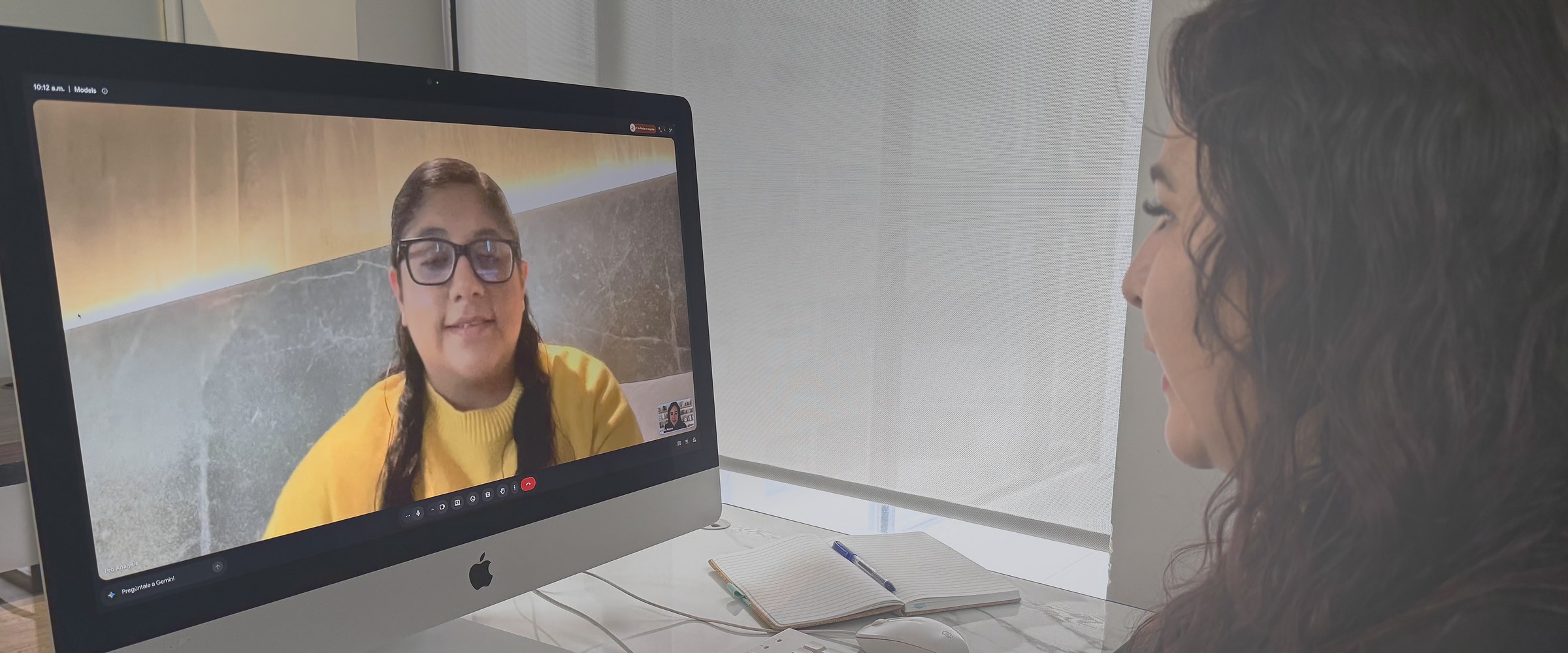
Every evaluation is completed by a U.S. licensed Doctor of Psychology, virtually, anywhere in the country, in English or Spanish.
Request an evaluationAttorneys — refer a client
The first call costs nothing and commits you to nothing. We will tell you honestly whether an evaluation is likely to help this case.
At a glance
- Fee
- $1,000, with payment plans over up to six months.
- Interview
- Virtual. One session, or two at no extra charge if the petitioner needs to stop.
- Report
- One to two weeks from the interview.
- Languages
- English and Spanish. Interpreters for other languages on request.
- Where
- Nationwide. Nothing to travel to.
We never contact the abuser, and nothing about the evaluation requires their knowledge or participation.
What the evaluation establishes
Battery is often the easier half to evidence. Extreme cruelty is where a psychological evaluation does its real work.
Cruelty that leaves no mark
Threats to report the petitioner to immigration, control of money and documents, surveillance, isolation from family, humiliation, coercion around children. We document this conduct and its effects in terms that make clear why it meets the standard.
The pattern, not the incident
Abuse is rarely one event. We set out how control was established and escalated over time, which is what turns a list of episodes into a coherent account of a relationship.
Why the petitioner stayed
The question nobody asks aloud but every reader has. Financial dependence, immigration status used as leverage, fear for the children, and the attachment that abuse itself produces. Explaining it clinically stops it being read as inconsistency.
What it has cost
Anxiety, depression, post-traumatic symptoms, sleep, concentration, the capacity to work and to parent — recorded with validated, standardised instruments rather than impression alone.
What a VAWA self-petition has to establish
The petition turns on a small number of findings. These are the ones an evaluation can reach, and the ones it cannot.
Battery or extreme cruelty
The statute reaches both, and extreme cruelty is where most self-petitions are actually won or lost. It covers conduct that leaves no injury and no police report: isolation from family and money, surveillance, threats to report the petitioner to immigration, threats to take the children, degradation sustained over years. A clinician can describe that pattern as a recognised dynamic of coercive control rather than as a list of unhappy incidents — which is the difference between a narrative and evidence.
Why there is no paper trail
Adjudicators see a file with no arrests, no medical records, no shelter intake. An evaluation can account for that: abuse in households where one partner controls the other’s immigration status is under-reported for reasons documented in the clinical literature, and the absence of records is consistent with the abuse rather than evidence against it.
Good faith in the marriage
The evaluation records the relationship as the petitioner describes it — how it began, what changed, when. It corroborates; it does not prove.
What the evaluation does not do
It does not establish the qualifying relationship, good moral character, or joint residence. Those rest on documents. A report that reaches for them weakens the part it can support.
One handling note
VAWA files carry statutory confidentiality protections, and the evaluation is prepared and transmitted on that footing.
PPA is a clinical practice, not a law firm. The standards described above are set out to show where a psychological evaluation fits within them. They are general information, not legal advice, and nothing here creates an attorney–client relationship. What a particular case requires is for the applicant’s attorney to determine.
How it works
Four steps. The petitioner needs an hour of privacy and a phone or a laptop; we handle the rest.
A call, at no charge
Tell us about the case. We explain how the evaluation works, what it can and cannot do, and what it costs. No payment is taken at this stage.
Usually within a few hoursDocuments and scheduling
Counsel sends us the declaration and anything else that matters. We schedule around safety as much as around work and childcare: if it is not safe to talk from home, say so and we will find a time that works.
Priority scheduling when a filing date requires itThe clinical interview
Virtual, in the petitioner's own language. History, the relationship itself, and standardised measures. If it becomes too much to finish in one sitting, we stop and take it up again another day — and that second session costs nothing.
One session, or two at no extra chargeThe report
Written, signed and sent to counsel as a PDF, ready to file. We answer questions on the findings afterwards at no extra charge.
One to two weeks from the interviewWhat the report contains
Written for an adjudicator, not for a clinician. Its length follows the case rather than a template.
- The petitioner's relevant personal, family and medical history
- A chronological account of the relationship and the abuse within it
- The non-physical conduct: control, threats, isolation, coercion
- Mental status examination and behavioural observations
- The standardised instruments administered, with scores and what they mean
- Diagnostic impressions, where a diagnosis is warranted
- How the symptoms affect daily functioning, work, sleep and parenting
- Clinical explanation of delayed disclosure or returning to the relationship
- Prognosis, and what treatment would require
- The evaluator's credentials, licence number and signature
We provide the written evaluation and nothing beyond it. We do not prepare declarations, and we do not appear as an expert witness or give testimony.
We are retained to examine, not to advocate. The report says what we find — which is the only reason it carries weight.
If the clinical picture does not support the claim, we will tell counsel before the report is written rather than after. An evaluation that overstates is worse than no evaluation at all.
Fees
$1,000Complete. No hourly billing.
The fee covers the intake call, the clinical interview, the instruments, the written report, and answering counsel's questions once it is delivered.
A second session costs nothing extra. With this material a petitioner sometimes cannot get through the interview in one sitting. When that happens we stop and finish another day, and the fee does not move. Nobody is put in the position of choosing between stopping and paying more.
Payment plans run over up to six months, and the evaluation goes ahead while payments are running. We take payment only after we have spoken to you and agreed the case is one we can help with. If the case stops before the interview takes place, the fee is returned in full and any remaining payments are cancelled.
Where a filing date requires it, we prioritise scheduling.
Other evaluations we prepare
Questions we are asked
What if there was never any physical violence?
Then the case rests on extreme cruelty, and that is precisely where an evaluation earns its place. Conduct that leaves no bruise — surveillance, threats about immigration status, control of money and documents, isolation, coercion through the children — is harder for a reader to weigh without a clinician setting out what it does to a person. A case with no physical violence is not a weaker case; it is a case that needs explaining.
Does the abuser find out?
Not from us. We never contact the abuser and we do not need their participation, their records or their consent. If it is not safe to speak from home, tell us and we will arrange a time and a setting that is.
Is the evaluation ever done in person?
No. Every evaluation we carry out is virtual, and that is deliberate rather than a compromise: it is what allows us to take a case in any state, including for petitioners who live nowhere near a psychologist who speaks their language. The protocol, the standardised instruments and the written report are the same ones we would use in a consulting room. Many people find it easier to talk about what happened to them from a place of their own choosing than in an unfamiliar office.
What do you need from counsel?
The declaration, the filing deadline, and anything already in the record that bears on credibility or on the petitioner's mental health. If there are prior evaluations, police reports or treatment notes, we would rather see them than be surprised by them.
Who carries out the evaluation?
A U.S. licensed Doctor of Psychology, in every case. You can read about the clinician who carries out the evaluations on our About page.
What if the case does not go ahead?
If the interview has not yet taken place, the fee is returned in full and any remaining payments are cancelled. Once the interview has happened the clinical work has been done, and the fee stands.
Start with a conversation.
Tell us a little about the case and we will call you to explain how the evaluation works and arrange the interview. Nothing is charged for that call.
Request an evaluationAttorneys — refer a client
Already spoken to us? Pay for your evaluation
WhatsApp +1 (302) 596 1804 (messages only)
contact@ppanalysis.com