
Special Immigrant Juvenile Status (often shortened to SIJS) is a form of immigration relief in the United States designed to protect certain immigrant children who have been abused, neglected, or abandoned by one or both parents. It can be a powerful pathway to stability because it may allow an eligible young person to apply for lawful permanent residence (a green card). At the same time, SIJS is not a single application you file one time—it’s a step-by-step process that usually involves both state court findings and federal immigration filings with USCIS. That multi-stage structure is why many families and caregivers feel overwhelmed at the beginning.
Step 1: Understanding Special Immigrant Juvenile Status
Special Immigrant Juvenile Status is a federal immigration classification that can apply to certain noncitizen children in the United States who cannot safely reunify with one or both parents due to abuse, neglect, abandonment, or a similar basis under state law. It requires a state juvenile court (or another qualifying state court) to make specific child welfare findings, and then USCIS reviews the federal petition using those findings. In simple terms, SIJS is built on the idea that child protection systems should be able to recognize when a young person needs safety and stability, and immigration law can provide a pathway to remain in the U.S. when returning to a parent is not viable.
SIJS is Not “Just an Immigration Form”
A state court order with required findings is usually the foundation before a federal filing happens.
The Focus is Child Welfare
The process centers on safety and best interests rather than general hardship arguments.
Step 2: Applicant Age and Unmarried Requirement
One of the first eligibility checks for Special Immigrant Juvenile Status is whether the applicant meets the age and marital status requirements at the relevant stages. In most cases, the applicant must be under 21 and unmarried when filing the SIJS petition, but state court jurisdiction rules can be stricter depending on where the case is handled. That means timing matters: even if federal law allows filing up to a certain age, the state court may only have authority over the child up to a younger age, which can limit access to the required court order. Because of these differences, SIJS planning often starts with confirming age-based court options in the state where the child lives.
Federal and State Rules Can Differ
A young person may qualify federally but still need the state court order before aging out of jurisdiction.
Unmarried Status is Part of Eligibility
Marriage can affect eligibility, so it’s important to understand how that requirement applies throughout the process.
Step 3: Getting a Qualifying Court Order for SIJS
Special Immigrant Juvenile Status usually requires a state court order that places the child under the care or custody of an individual or agency, or that otherwise establishes a legally recognized custody arrangement under state law. This could involve guardianship, dependency proceedings, custody orders, or other child welfare-related proceedings, depending on the state and the child’s circumstances. The purpose of the court involvement is not to “approve immigration,” but to make child-centered determinations about safety and care. Without a qualifying court order from an appropriate court, the federal SIJS petition generally cannot move forward.
The Court’s Role Is Child Protection
The court is asked to address custody and safety, not to decide immigration status.
The Type of Court Case Varies by State
Guardianship, dependency, or custody processes can serve as the foundation, depending on local rules.
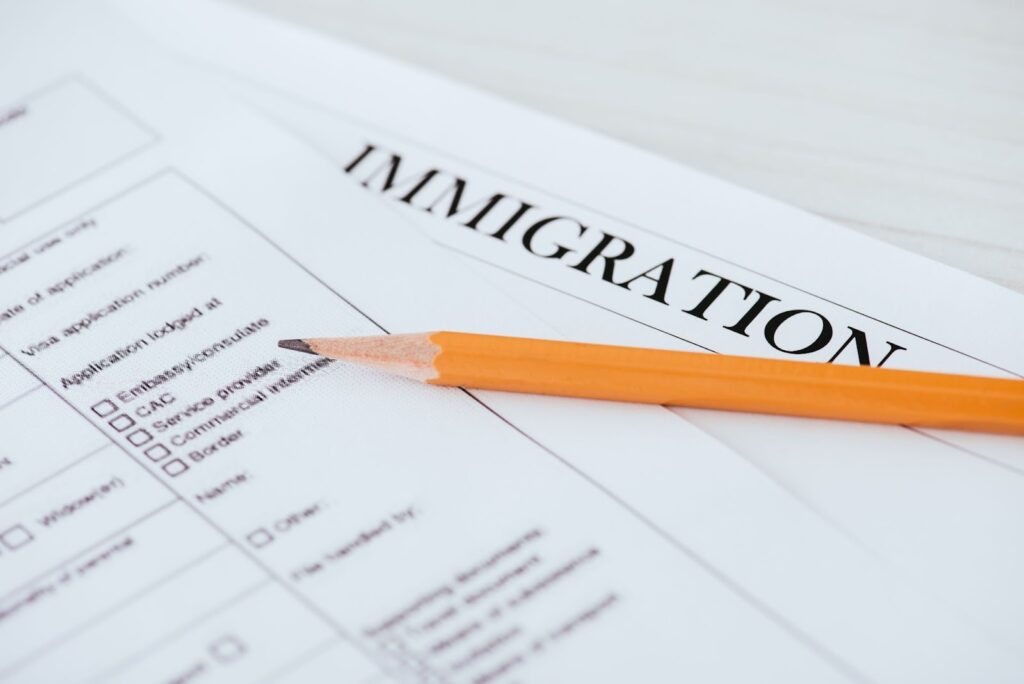
Step 4: SIJS Requires Specific Findings
After the case is in the proper state court, the next step is to obtain the specific findings required by SIJS. Typically, the court must find that the child cannot reunify with one or both parents because of abuse, neglect, abandonment, or a similar basis under state law, and that it is not in the child’s best interest to return to their country of nationality or last habitual residence. These findings are critical because USCIS relies on them to determine federal SIJS eligibility. The more clearly these findings are written and supported by facts in the record, the easier it is for the federal review to understand the basis for SIJS.
“Non-Reunification” is a Key Finding
The case must clearly explain why returning to a parent is not viable under state law grounds.
Best Interest Findings Must be Grounded
Courts often consider safety, stability, and the child’s welfare when determining whether a return is in the child’s best interest.
Step 5: Including Evidence That Supports SIJS
Strong SIJS cases typically include evidence that supports both the custody-related request and the court’s findings, such as declarations, school records, medical or counseling records, reports from child welfare agencies, or statements from caregivers and other trusted adults. Evidence should focus on facts: what happened, when it happened, and how it affected the child’s safety and well-being. It’s also vital that details remain consistent across documents, because contradictions can create confusion and trigger additional questions later. Many SIJS cases are emotionally difficult because they involve painful family histories, so careful, trauma-informed preparation can help present the information clearly while respecting the child’s experience.
Consistency Protects Credibility
When dates, names, and events match across evidence, the story is easier to verify and trust.
Facts Matter More Than Dramatic Language
Clear, specific examples often carry more weight than broad or emotional statements.
Step 6: Filing the Federal Petition for SIJS
Once the state court issues the order with the required findings, the next step is typically to file Form I-360, the federal petition for Special Immigrant Juvenile Status, with USCIS. This petition includes the court order and supporting evidence showing that the order meets SIJS requirements. USCIS reviews the petition to confirm that the court findings exist, that the court had authority, and that the case fits within SIJS rules. While the court order is central, USCIS still performs its own review, so a well-prepared filing packet that clearly explains the procedural posture and includes complete documentation can reduce the risk of delays or evidence requests.
The I-360 is the SIJS petition
It’s the federal filing that asks USCIS to recognize the child as eligible under the SIJS classification.
The Court Order Must be Included
USCIS relies heavily on the state findings, so the order should be complete and clearly written.
Step 7: SIJS and Requests for Evidence (RFE)
In some cases, USCIS issues a Request for Evidence (RFE) asking for clarification about the court order, the court’s jurisdiction, or whether the findings meet SIJS standards. This request may occur if the order lacks required language, the record doesn’t clearly show the basis for the findings, or the case appears to involve a court process that USCIS considers non-child-welfare related. RFEs can be stressful, but they often reflect a need for more precise documentation rather than a rejection. Responding well usually means submitting the requested records, clarifying the court process, and ensuring the response is organized and consistent.
RFEs Often Target the Court Order
If the findings are unclear or incomplete, USCIS may ask for additional documents or explanation.
Organization Matters in Responses
Clear exhibits and direct answers help USCIS review the response without confusion.
Step 8: Adjustment of Status After Approval
Special Immigrant Juvenile Status approval is not the same thing as getting a green card, but it can be a significant step toward permanent residence. After SIJS is approved, many applicants may apply for adjustment of status (a green card) when a visa number is available, and they meet other eligibility requirements. This involves additional forms, supporting documents, and biometrics, and the timeline can vary depending on category availability and individual circumstances. Because SIJS cases involve minors and vulnerable youth, it is especially important to maintain continuity in documentation and to plan for the transition from SIJS approval to the next stage.
SIJS is a Classification, Not a Green Card
Approval can open a pathway, but adjustment is typically a separate application step.
Timing Can Depend on Visa Availability
Some applicants can move quickly to adjustment, while others may need to wait for availability.
Step 9: Special Immigrant Juvenile Status Limits
SIJS provides protection, but it also has limitations that families should understand early to keep expectations realistic. For example, SIJS is tied to findings about parental reunification, which can affect future immigration options involving parents. The process can also be time-sensitive because state court jurisdiction and age limits vary, and delays can create the risk of aging out before obtaining the necessary order. Another important consideration is emotional well-being: SIJS cases often require discussing painful events, and support from trauma-informed professionals and stable caregivers can make the process healthier for the child.
SIJS Has Long-Term Implications
Because it involves findings about parents, it can affect specific future immigration pathways related to family reunification.
Timing is Crucial
Starting early can help avoid losing eligibility due to state court age jurisdiction limits.
Planning Makes Special Immigrant Juvenile Status More Manageable
Special Immigrant Juvenile Status is easiest to understand as a structured sequence: confirm basic eligibility, open the right kind of state court case, obtain the required child welfare findings, file the federal SIJS petition, and then plan for the green card stage if eligible. Each step has a purpose, and each step builds evidence for the next. With proper guidance, careful documentation, and a focus on the child’s safety and best interests, the process can shift from overwhelming to organized. For many youth, SIJS is not just an immigration classification—it’s a way to secure stability, safety, and the ability to build a future without fear.
Explore the Pro Psychological Analysis blog for more trauma-informed insights on SIJS evaluations, documentation support, and strengthening juvenile protection cases.