
Many survivors begin the U Visa process with fear and confusion. They want a clear path that protects safety and supports healing. Long waits create stress that affects work, family, and stability. These delays push many to seek strong information that helps them prepare. Every step feels heavy when answers arrive slowly and uncertainty grows. People need guidance that steadies their path and supports each choice ahead.
U Visa Processing Timeline Overview
The U Visa timeline covers several stages that confirm eligibility and cooperation. Each stage supports survivors’ safety and helps officers verify key facts. The process takes time because USCIS manages large filing volumes. Applicants who understand each stage stay calmer during long waits.
What Shapes the U Visa Timeline
The timeline follows structured review steps that support fairness for all applicants. Officers carefully check identity, crime details, and evidence of cooperation. They also run security checks that protect the program from risks. These steps create delays when cases require deeper review. Applicants with missing documents face longer wait times until they submit updates. Each case takes time because officers must review thousands of filings each year. These factors create the long timelines most applicants experience.
Why Many Applicants Wait Years
The U Visa receives more applications than available slots each year. USCIS reviews cases in order, which slows the process for new applicants. Officers must verify documents and statements before moving files forward. Background checks also need time when information requires confirmation. Some cases wait due to police certifications that take many weeks to process. Delays also rise when staffing levels shift across offices. These combined issues cause long waits across nearly all regions.
Key Factors Affecting U Visa Processing
Several factors determine how quickly or slowly a U Visa case moves. These factors include filing volume, background checks, evidence quality, and missing documents. Each factor affects wait times differently. Applicants who prepare well see fewer preventable delays.
Background Checks Extend Reviews
Background checks verify identity and identify any risks. Some checks finish quickly, while others need deeper investigation. Officers must complete all checks before advancing the file. Applicants with record issues often wait longer for clearance. Delays also occur when fingerprints or names match other records. These checks protect applicants and agencies involved in the case. Each step must finish before officers move to the next stage.
Evidence Quality Shapes Processing Speed
Strong evidence leads to smoother review steps and fewer questions. Clear police reports help officers confirm crime details. Detailed statements explain the crime’s timeline and impact. Signed law enforcement certifications confirm cooperation during investigations. Missing evidence forces officers to request more information. These requests add weeks or months of waiting time. Complete files keep processing stages moving forward.
Missing Documents Slow Movement
Some applicants forget to include specific required forms or proof. Officers must stop the review when items are missing. They then send notices that request corrections or updates. Applicants who respond slowly create longer delays for their own case. Some cases remain paused for months due to this issue. Quick responses help reduce that added wait. Careful preparation prevents these gaps from forming.
Core Stages of U Visa Processing
USCIS follows key stages during U Visa processing that support fairness and structure. These stages include intake, bona fide review, waitlist placement, and final approval. Each stage checks different parts of the evidence. Applicants move forward only when each step finishes correctly.
Bona Fide Determination Explained
The bona fide review checks if an application is complete and credible. Officers verify identity, crime details, and evidence of cooperation. Many applicants reach this stage after a long initial wait. A bona fide result often leads to temporary work authorization. This support helps applicants manage financial needs during long waits. Some cases move faster due to substantial evidence and organized documents. Others take longer because officers must verify additional details.
Why USCIS Uses a Waitlist
The waitlist exists because federal law limits U Visa approvals to 10,000 each year. Many eligible applicants must wait until new slots become available. Officers place qualifying applicants on the official list after reviewing evidence. Waitlist placement provides deferred action and work authorization. Many people remain on the waitlist for several years. Movement depends on annual availability and national filing trends. Once spots open, officers start the final review steps.
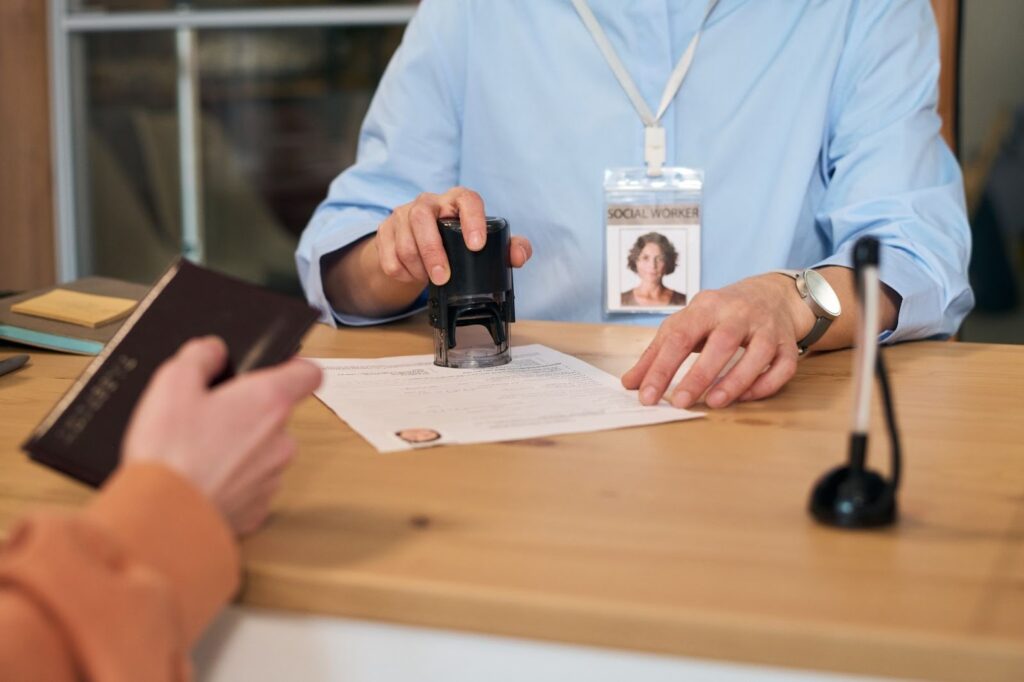
Final Approval and Status Grant
Final review checks updated information and confirms ongoing eligibility. Some applicants must provide new evidence before approval. Others move straight to approval when all documents remain valid. Approved applicants receive a U Nonimmigrant Status for four years. This status opens the door to permanent residency later. Approval also extends support to qualifying family members. Many see this step as the start of long-term stability.
Average U Visa Processing Times Today
Current trends show long waits for most U Visa applicants nationwide. Many applicants face wait times of several years. Filing numbers have skyrocketed nationwide. These trends increase delays at almost every stage.
Current Backlog Trends
Backlogs grow when the number of applications exceeds the review capacity. Officers must review older submissions before newer ones receive attention. This process creates slow but steady forward movement. Policy shifts sometimes increase or decrease the backlog size. These shifts happen when USCIS updates internal procedures or staffing. Backlogs vary across field offices but affect applicants everywhere. Each year brings new patterns that shape processing times.
Why Trends Remain Slow Nationwide
Filing continues to rise as more survivors seek protection. Officers must review evidence carefully to avoid errors. This careful review slows the pace when large volumes arrive. Many offices handle multiple program types at once. Delays occur when resources are stretched across many responsibilities. These pressures create slower progress across the system. Many applicants must prepare for these longer timelines.
How Applicants Support Faster Processing
Applicants support faster movement when they stay organized and respond quickly. Clear evidence and accurate documents reduce the need for officer questions. Timely updates help officers fully understand each situation. Strong preparation prevents delays that create long bottlenecks.
Document Preparation Tips
Each document must remain clear, accurate, and organized. Police certifications need correct crime details and signatures. Personal statements should explain events in a simple, chronological order. Evidence must connect clearly to the reported incident. Applicants should store documents in organized folders for fast access. Strong preparation reduces questions from officers. Care builds smoother progress at every stage.
Tracking USCIS Updates and Notices
Applicants must track USCIS notices online and through the mail. Notices may request updated evidence or corrections. Delayed responses slow every part of the process. Applicants who respond quickly keep their case moving. Online tracking tools provide helpful insight into case status. Staying alert to changes reduces uncertainty. Access to information helps applicants manage stress and plan.
Staying Organized Throughout the Process
Strong organization helps applicants manage long timelines and avoid confusion. Keeping digital and printed folders supports fast access to needed documents. Applicants who track dates, conversations, and submissions avoid repeated mistakes. The organization reduces stress by keeping each stage predictable and manageable. Many applicants stay prepared by updating their files whenever new information becomes available. Monitoring every step helps them act quickly when officers send requests. A steady organization leads to smoother progress across the entire process.
Common U Visa Processing Delays
Many delays arise from missing documents, slow certifications, and long security checks. Applicants who understand these delays prepare better for the whole journey. Many issues come from outside agencies that need time to respond. Strong preparation helps reduce preventable delays.
Slow Law Enforcement Certifications
Police certifications confirm cooperation with investigators. Some agencies respond fast, while others delay for weeks. Applicants must follow up often with those offices. Processing stops until the missing certification is submitted. Some regions face heavier workloads that slow responses. Applicants benefit when they begin requests early in the process. Quick collection prevents long pauses later.
Incomplete Evidence Creates Gaps
Incomplete evidence leads to long processing gaps. Officers stop reviewing when key documents remain missing. They send notices that require fast corrections. Some applicants delay their responses, extending their wait time. Missing items also trigger deeper review steps. Each missing detail forces added verification. Organized preparation helps avoid this issue.
Delays From Security Checks
Security checks take time because officers verify identity, records, and national data sources. Some checks finish quickly, but others require deeper investigation due to mismatched information. Applicants with complex histories often wait longer for clearance. Officers cannot move a case forward until every check clears successfully. These delays remain common and affect applicants from every region. A strong record of accuracy reduces confusion during the process. Applicants must prepare for this step, as it may take longer than expected.
What Happens After a U Visa Approval
Approval brings long-awaited stability for applicants who navigate the process with patience and preparation. Recipients gain four years of U Nonimmigrant Status, access to secure work authorization, and a path toward lawful permanent residency when they meet the required three years of continuous presence and ongoing cooperation with authorities. Officers review updated documents before granting residency, and some applicants must submit new evidence to confirm eligibility. Strong records support smoother movement through this final stage, helping applicants secure long-term safety and stability.
New Trends in U Visa Processing
Current trends show gradual improvements in several early stages, with bona fide decisions appearing faster for applicants who submit well-organized evidence. National data show slight increases in officer staffing, supporting more consistent progress across initial reviews. Updated USCIS procedures now verify key details earlier, helping reduce confusion around missing documents and allowing some applicants to reach bona fide review sooner. Security checks still require extended wait times, so applicants must stay up to date on policy changes that affect different stages of the process.
Legal Support for Stronger U Visa Outcomes
Legal guidance helps applicants avoid preventable delays by ensuring every document, statement, and certification meets USCIS requirements. Attorneys organize evidence effectively, review personal statements for clarity, and manage all communications related to requests for more information or updates. Their support becomes especially valuable during complex steps, such as law enforcement certifications or responses to USCIS notices, which often slow cases when applicants act alone. Many survivors feel more secure with legal representation, since strong guidance helps them stay prepared and steady throughout each stage of the journey.
Stay Prepared During U Visa Processing
Strong preparation helps survivors face long U Visa timelines with confidence. Each stage moves smoothly when applicants stay organized and informed. Legal support and accurate evidence reduce many common delays. Those seeking stability can start building a plan that supports their future.
Give yourself direction backed by clarity and care. The Pro Psychological Analysis blog offers trusted answers for every stage of your journey.